

Kyoto’s hanami season, or cherry blossom viewing, is a magical time when the fabled pink flowers of the sakura create a swathe of colour across the city. Residents and visitors flock to its temples, shrines and gardens to bask in the soft glow of the city’s abundant sakura trees.
From weeping sakura to the rare omurozakura, there are more than 50 types of cherry blossom trees to be found in Kyoto. Admire them while wandering temple gardens or lay out a blanket beneath the sakura boughs, as the locals do. The temples listed below are some of the most extraordinary spots to witness this enchanting natural phenomenon.
- 1
Hirano Jinja
A 1000-year-old sakura festival

- ประหยัด
- ครอบครัว
- ถ่ายรูป
Hirano Jinja is one of Kyoto’s most famous hanami spots, with 400 cherry blossom trees of 50 different varieties on its grounds. The shrine is also the site of the Oka-sai Matsuri, a sakura festival that has been celebrated yearly for over 1000 years, making it Kyoto’s longest-running event. The festival hosts a traditional procession of men in samurai armour on horseback, women in kimono with blossoms in their hair and a portable shrine named omikoshi.
In the evenings during cherry blossom season, the shrine takes on a celebratory atmosphere and the grounds fill up with vendors selling festival foods. Why not join the Kyoto residents and tourists as they gather under the cherry blossoms to socialise over drinks?
ที่ตั้ง: 1 Hirano Miyamotocho, Kita, Kyoto, 603-8322, Japan
โทร: +81 (0)75 461 4450
แผนที่ - 2
Kiyomizu Temple
One of Japan's most celebrated temples

- ครอบครัว
- กลุ่ม
- ประวัติศาสตร์
อ่านเพิ่มเติมVisiting Kiyomizu Temple, or Kiyomizu-dera, in Kyoto’s wooded eastern hills is like travelling back in time. This 'Pure Water Temple' is a UNESCO World Heritage Site and one of Japan’s most celebrated temples. Kiyomizu Temple is best known for its 13-metre-high wooden platform that juts out from the main hall.
The platform affords visitors great views out over the numerous maple and cherry blossom trees below that burst into a bright sea of colour in spring and autumn. It also has panoramic views of Kyoto city centre in the distance. Check out the main hall, which was built without the use of nails and houses the temple's primary object of worship: a small statue of the 11-faced, 1000-armed Kannon.
ที่ตั้ง: 1 Chome-294 Kiyomizu, Higashiyama Ward, Kyoto 605-0862, Japan
เปิด: Hours vary by season
แผนที่ อย่าลืมแวะอ่าน
- 10 Best Local Dishes from Kyoto

10 Best Local Dishes from Kyoto
Japan - 10 Most Popular Streets in Kyoto

10 Most Popular Streets in Kyoto
Japan - 10 Most Instagrammable Places in Kyoto

10 Most Instagrammable Places in Kyoto
Japan
- 3
Shoji-Ji
A lesser-known spot in west Kyoto

- ประวัติศาสตร์
- ถ่ายรูป
- แปลกใหม่
Shoji Temple is one of Kyoto’s oldest religious sites. Situated in the forests on the western perimeter of the city, the temple’s remote location and modest size means it doesn’t draw as many visitors as the more famous landmarks. Even so, it is well known among locals for its cherry blossoms and is nicknamed 'The Flower Temple'.
Shoji-ji was the residence of the famous poet Saigyo, who is said to have planted many of the trees on-site, including the weeping cherry tree. A forested path between Shoji-ji and 2 other nearby temples passes by many sakura trees and offers a serene environment for you to appreciate them.
ที่ตั้ง: 1223-1 Oharano Minamikasugacho, Nishikyo Ward, Kyoto, 610-1153, Japan
เปิด: Daily from 9.30 am to 4 pm
โทร: +81 (0)75-331-0601
แผนที่ - 4
Daigo-ji

- ครอบครัว
- ประวัติศาสตร์
- ถ่ายรูป
Nestled into the mountainside, Daigo-ji is a large temple complex home to some of the city’s most beautiful weeping sakura trees. While the temple dates back more than 1000 years, the only structure to survive the centuries of fires is the stunning 5-storey pagoda. Daigo-ji was all but derelict by the 16th century until Hideyoshi Toyotomi happened to visit during cherry blossom season; he was so taken by its beauty that he ordered a complete restoration.
Within the temple complex is the Reihokan Museum, a vast collection of more than 100,000 pieces of Buddhist art. The museum garden is where you’ll find the weeping cherry trees, which are illuminated nightly to enchanting effect.
ที่ตั้ง: 22 Daigo Higashi Oji-cho, Fushimi-ku, Kyoto
เปิด: March–October from 9 am to 5 pm, November–February from 9 am to 4 pm
โทร: +81 (0)75 571 0002
แผนที่ - 5
Ninna-ji
Home to a late-blooming dwarf sakura

- คู่รัก
- ถ่ายรูป
The sprawling Ninna-ji Temple complex features fascinating architecture and a rare species of cherry blossom trees. Located in northwest Kyoto, the Ninna-ji site is laid out in Gosho style, a symmetrical pattern in which the main hall is flanked by a series of buildings connected via covered passageways.
The omurozakura are a species of cherry blossom that rise to no more than 2 metres in height. Many poets have written about these trees over the centuries, and walking through the temple’s sakura grove you feel as if you’re wading in a pool of blossoms. These are also some of the last of the season to bloom: visit in mid to late April to catch sight of them.
ที่ตั้ง: 33 Omuroouchi, Ukyo, Kyoto, 616-8092, Japan
เปิด: Daily from 9 am to 5 pm
โทร: +81 (0)75-461-1155
แผนที่ - 6
Toji-ji
An enchanting evening blossom-viewing experience

- คู่รัก
- ครอบครัว
- ถ่ายรูป
Located in central Kyoto, just a 15-minute walk from Kyoto Station, Toji-ji is best known for its 5-storey pagoda, one of the tallest pagodas in Japan. The temple grounds transform into a pink wonderland during the cherry blossom season, with delicate sakura petals providing an amazing contrast against the historic pagoda.
One of the highlights of this UNESCO World Heritage site during cherry blossom season is the night illumination event, where the cherry blossom trees are lit up. This creates a magical atmosphere, and the blossoms appear even more stunning.
ที่ตั้ง: 1 Kujocho, Minami Ward, Kyoto 601-8473, Japan
เปิด: Hours vary by season
โทร: +81 (0)75-691-3325
แผนที่

เริ่มต้นวางแผนการเดินทาง
พักที่ไหนดีใน Kyoto

ออนยาโดะ โนโนะ เกียวโตชิจิโจ น้ำพุร้อนธรรมชาติ
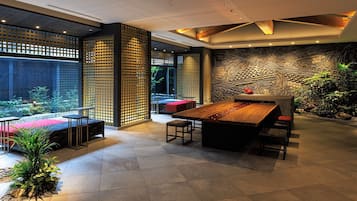
THE BLOSSOM KYOTO

โรงแรมมิตสึยการ์เดนโฮเต็ลคิโอโต คาวารามาจิ โจเกียวจิ

โรงแรมครอส เกียวโต

โรงแรมมิยาโกะ เกียวโต ฮาชิโจ
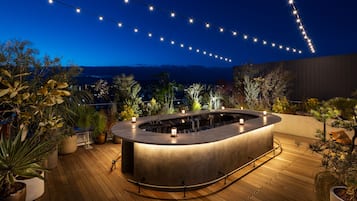
โรงแรมโนฮ์กะ คิโยมิซุ คะโยโต
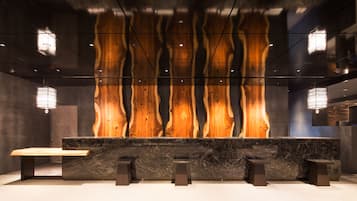
ระนองแบบ JR กรุ๊ป วีไอเอ อินน์ ไพรม์ คีย์โตเอกิ ฮาจิโจกูจิ

Oakwood Hotel Oike Kyoto

โรงแรมเอมิออน เกียวโต

ดับเบิลทรี บาย ฮิลตัน สถานีเกียวโต
เรื่องอื่นที่น่าสนใจ
- 10 Best Local Dishes from Kyoto
10 Best Local Dishes from Kyoto
Japan - 10 Most Popular Streets in Kyoto
10 Most Popular Streets in Kyoto
Japan - 10 Most Instagrammable Places in Kyoto
10 Most Instagrammable Places in Kyoto
Japan - Kiyomizu Temple

Kiyomizu Temple
Japan - 10 Best Museums in Kyoto

10 Best Museums in Kyoto
Japan - Kinkakuji Temple

Kinkakuji Temple
Japan - 8 Best Family Things to Do in Kyoto

8 Best Family Things to Do in Kyoto
Japan - 10 Best Tours in Kyoto

10 Best Tours in Kyoto
Japan